The Dorn Method
The Dorn Method at NQ Spine Health
The Dorn Method offers a gentle, non-manipulative, and highly effective approach to musculoskeletal health. It is particularly beneficial for individuals in Townsville looking to manage persistent physical discomfort and regain freedom of movement.
Originally developed in Germany, this method blends an understanding of anatomy and biomechanics to naturally support the body's structural system. Rather than relying on heavy force or sudden adjustments, the Dorn Method works in harmony with your body to address muscular imbalances, improve joint mobility, and relieve physical tension.
Originally developed in Germany, this method blends an understanding of anatomy and biomechanics to naturally support the body's structural system. Rather than relying on heavy force or sudden adjustments, the Dorn Method works in harmony with your body to address muscular imbalances, improve joint mobility, and relieve physical tension.
How it Works: Gentle & Dynamic
During a session, we use gentle counter-pressure combined with your own natural, dynamic movements (such as moving a leg or arm) to encourage joints and vertebrae back into their natural alignment. Because the correction happens while your muscles are actively moving, your body accepts the change much more naturally. The process is completely controlled, comfortable, and safe.
Areas of Support
- The Dorn Method is an excellent, conservative choice to assist with:
- Back and Neck Discomfort: Including non-specific lower back stiffness and upper body tension.
- Postural Imbalances: Addressing uneven hip alignment or slouched posture.
- Nerve-Related Tension: Assisting with the discomfort associated with Sciatica-like symptoms.
- Tension Headaches: Reducing the physical stress in the neck and shoulders that often triggers head pain.
- Joint Restrictions: Improving mobility in the hips, knees, and shoulders.
The Benefits You Can Expect
- Targeted Relief: Easing localised aches and stubborn muscular tightness.
- Improved Mobility: Restoring a natural, comfortable range of motion so you can get back to doing what you love.
- Enhanced Body Awareness: Helping you understand your posture and how to prevent future strain.
- Reduced Physical Stress: Activating the body's natural relaxation response to ease physical and mental stress.
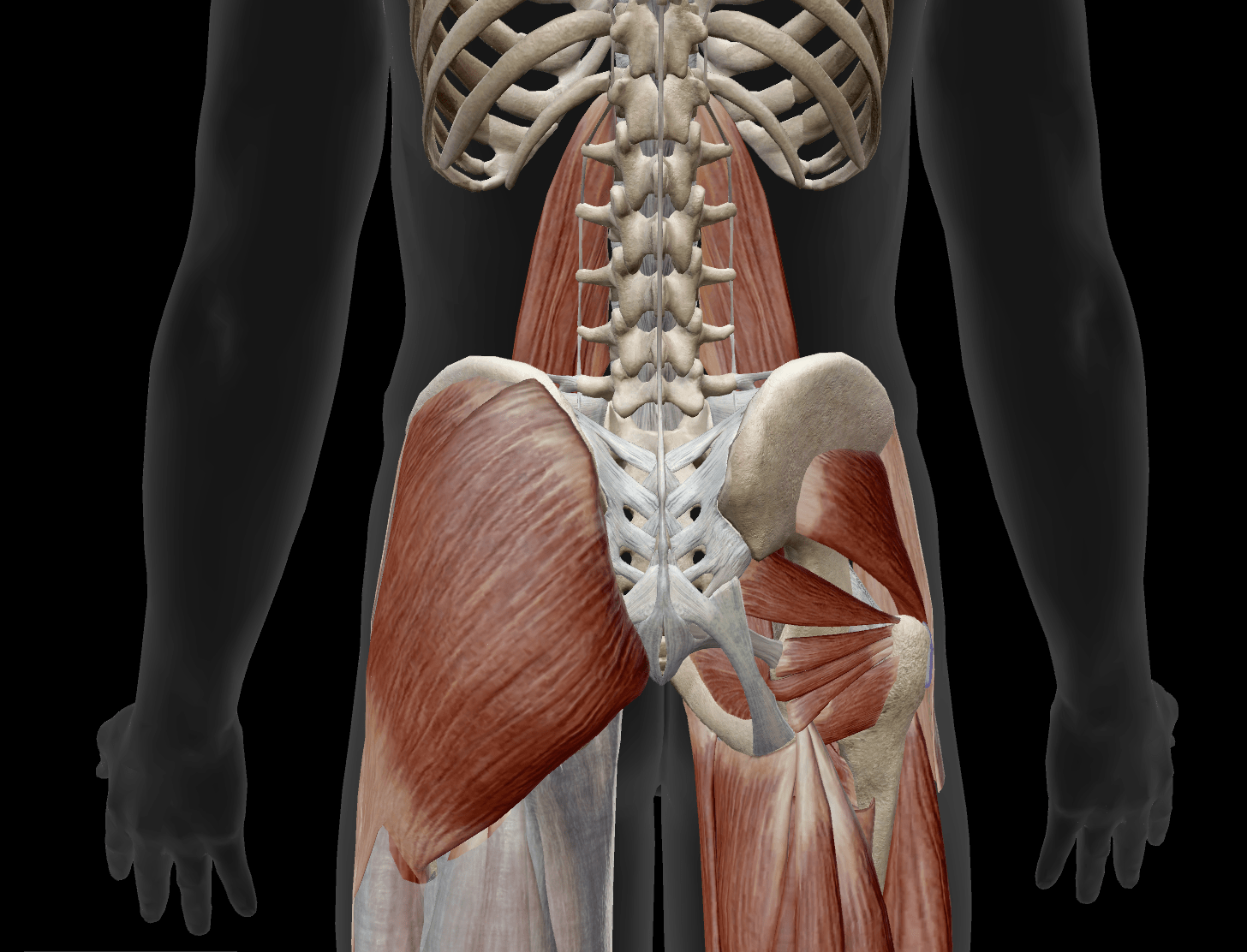
Empowerment Through Self-Help
A foundational element of the Dorn Method is giving control back to you. During your session, you will learn straightforward, personalised self-help exercises that you can easily perform at home. These quick exercises are designed to reinforce your session, helping you maintain a flexible, pain-free life long after you leave the clinic.
Dorn Method Academy of Australia (DMAA): Established in 2007, the DMAA offers training for practitioners in the Dorn Method in Australia. It provides various resources, including a free e-book on the Dorn Method, upcoming courses, and research articles.The Dorn Method Academy Australia
Dorn-Finder Directory for Australia: A directory of Dorn Method practitioners in Australia. This resource helps clients locate practitioners in various parts of the country.Dorn-Finder Australia
General Information about the Dorn Method: Provides a comprehensive overview of the Dorn Method, its history, and its application in manual therapy and self-help.
Dorn-Method.com
Remedial Massage Therapy
Remedial Massage Therapy at NQ Spine Health
Remedial Massage Therapy at NQ Spine Health is a targeted, evidence-informed treatment designed to address specific physical aches, ease muscular tension, and promote overall physical well-being. Every session begins with a tailored assessment of your movement and soft tissue status, allowing us to design a treatment plan unique to your body’s needs.
How Remedial Massage Helps Your Body
Our approach focuses on identifying and relieving the muscular tension and soft-tissue restrictions that contribute to musculoskeletal discomfort. By utilising a variety of advanced hands-on techniques, including deep tissue massage, myofascial release, and targeted trigger point therapy, we work to soothe hyperactive muscles, improve local circulation, and assist lymphatic drainage. These techniques help ease the body out of protective tension cycles, restoring comfortable movement and optimal function.
.jpeg)
Targeted Areas of Support
- Persistent Back & Neck Discomfort: Helping to relieve localised muscle tightness, support circulation, and ease the strain associated with poor postural habits.
- Sports & Exercise Recovery: Assisting athletes and active individuals recovering from soft-tissue strains or muscle tightness, helping to reduce localised swelling and support natural recovery timelines.
- Repetitive Strain & Desk Fatigue: Ideal for office workers dealing with the physical strain of repetitive movements, focusing on easing the forearm, wrist, and shoulder tension associated with conditions like tennis elbow or carpal tunnel discomfort.
- Post-Surgery Soft Tissue Support: Gently assisting your recovery journey post-surgery (once medically cleared) by reducing soft-tissue stiffness, improving localised mobility, and lowering physical stress.
- Stress & Tension Management: Helping to manage the physical symptoms of stress and anxiety by calming the nervous system and promoting a deep sense of physical relaxation.
Benefits of Remedial Massage Therapy
- Meaningful Pain Management: Highly effective at reducing the daily discomfort associated with lower back pain, neck stiffness, and repetitive physical strain.
- Restored Mobility & Flexibility: Loosening tight muscle fibres and connective tissue to enhance your range of motion, making daily movements feel lighter and easier.
- Nervous System Regulation: Easing the body's physical stress response to lower tension hormones, giving you both mental and physical relief.
- Postural Support: Helping to balance tight muscle groups, making it easier for you to maintain a comfortable, natural posture throughout the day.
Whether you are looking to manage a specific injury, bounce back from standard training, or unwind from the physical toll of a stressful work week, Remedial Massage Therapy provides the structured, hands-on support your body needs.
Spinal Oscillation Therapy
Spinal Oscillation Therapy at NQ Spine Health
Advanced Spinal Mobilisation & Disc Nutrition
Spinal Oscillation Therapy, internationally recognised as Wirbelsäulen-Basis-Ausgleich (WBA) by Rolf Ott, is a specialised, low-force manual therapy designed to restore comfortable movement, ease protective muscle guarding, and optimise the natural fluid mechanics of the spine.
By utilising gentle, passive rhythmic movement, this therapy provides a dual benefit: it deeply calms the nervous system for the client, while serving a precise biomechanical purpose that supports long-term musculoskeletal health.
By utilising gentle, passive rhythmic movement, this therapy provides a dual benefit: it deeply calms the nervous system for the client, while serving a precise biomechanical purpose that supports long-term musculoskeletal health.
The Science: Facilitating Natural Imbibition
- Unlike most tissues in the human body, adult intervertebral discs and spinal joint cartilage do not have a direct blood supply (they are avascular). They cannot rely on the bloodstream to deliver oxygen and nutrients or to clear away metabolic waste products. Instead, they depend entirely on a mechanical process called imbibition.
Imbibition acts as a natural, movement-driven hydrodynamic pump:
- The "Sponge" Effect: When gentle pressure is applied to a spinal segment, stagnant fluid and metabolic waste are squeezed out of the disc and joint spaces.
- The Nutrient Vacuum: When that pressure is rhythmically released, a natural vacuum is created, drawing fresh, nutrient-rich fluid and oxygen back into the surrounding tissues.
When you experience chronic back stiffness or structural strain, the surrounding deep muscles automatically contract to protect the area. This protective muscle "guarding" locks the spinal segments in place. When movement stops, natural imbibition grinds to a halt - leaving discs starved of vital fluid exchange and allowing inflammatory waste products to pool, causing a dull, persistent ache.
How Spinal Oscillation Therapy Breaks the Cycle
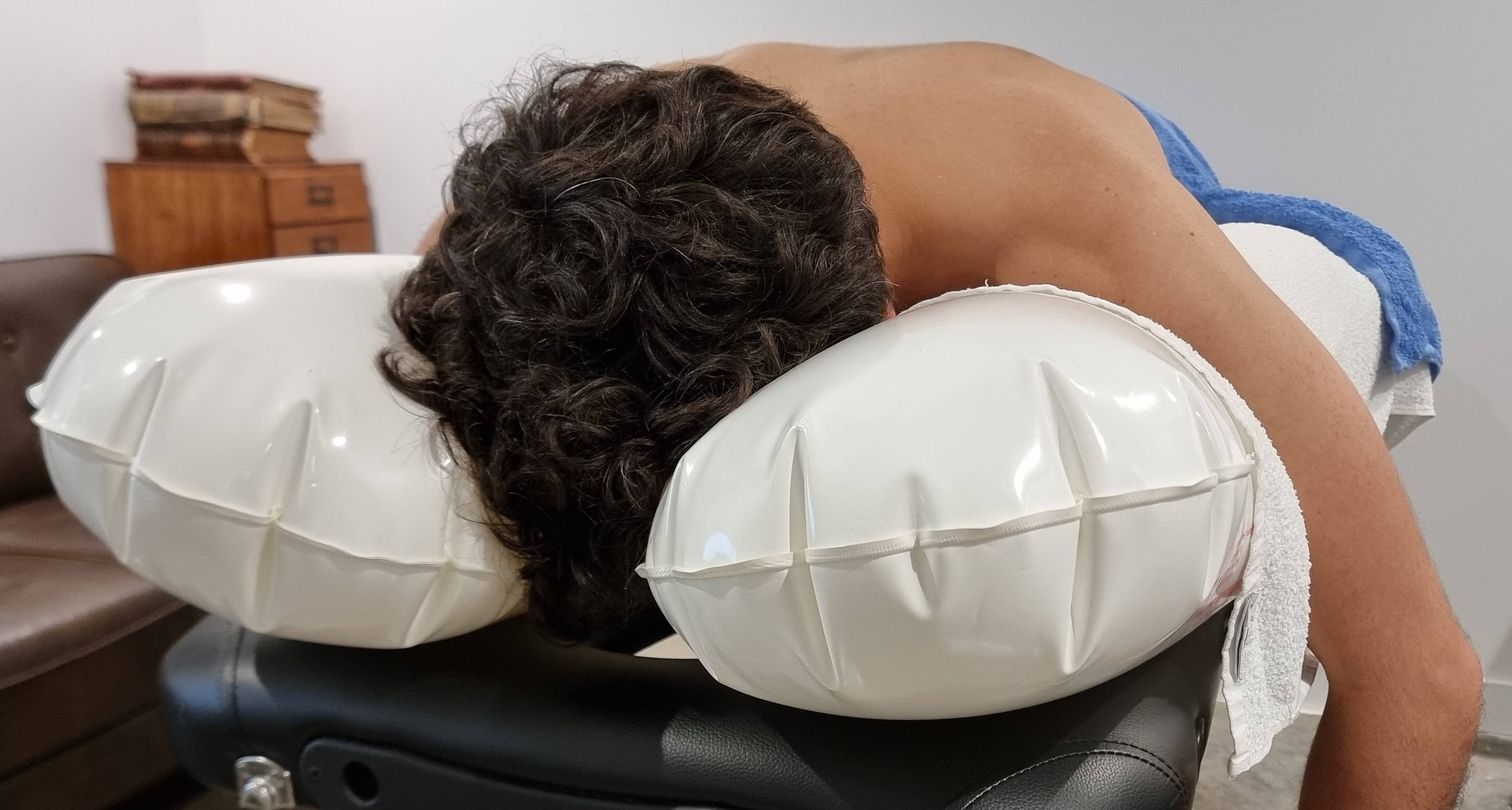
- During a session at NQ Spine Health, you rest comfortably face-down on uniquely designed, air-cushioned inflatable pillows. The practitioner introduces a continuous, passive wave-like oscillation (a rocking motion) through the pelvis and spine.
- Down-Regulating the Nervous System: Because the rocking motion is continuous and gentle, it stimulates mechanoreceptors (sensory receptors) in the joints. This signals the brain that it is safe to relax, effectively switching off chronic muscle guarding.
- Restoring the Hydrodynamic Pump: As the deep muscles relax, the gentle oscillation safely moves the vertebrae through a repetitive cycle of subtle loading and unloading.
- Flushing the Tissue: This movement mechanically reactivates imbibition, flushing out inflammatory waste and driving a fresh supply of nutrient-rich fluid back into the spinal discs and joints.
Clinical Benefits of Rhythmic Oscillation
- Optimised Fluid Exchange: Mechanically pumps nutrient-rich fluids into avascular disc and joint cartilage to support natural tissue health.
- Nervous System Calming: The continuous, rhythmic motion deeply soothes the nervous system, helping to lower physical stress and systemic anxiety.
- Decompression of Tight Muscles: Gently coaxes deep-seated, protective muscle bracing around the lower back and pelvis to finally let go.
Areas of Functional Support
This conservative, non-manipulative therapy is an excellent, low-force option to assist with:
- Chronic, Non-Specific Lower Back Pain: Breaking the cycle of chronic stiffness by restoring segment mobility and metabolic fluid exchange.
- Disc-Related Tension: Easing the static, daily compressive strain on intervertebral discs by promoting gentle, movement-based decompression.
- Postural & Pelvic Asymmetry: Easing hypertonic muscle groups around the pelvis and hips to allow the body to find a more balanced, natural baseline.
- Post-Surgical Soft Tissue Support: Providing a safe, zero-impact method to gently introduce motion and combat soft-tissue stiffness following spinal procedures (once fully cleared by your medical team).
- Comfort for Structural Variations: Helping to alleviate the deep muscular fatigue, aches, and tightness commonly associated with conditions like scoliosis.
Whether you are looking to escape the frustration of a stiff, aching back, or seeking a safe, non-manipulative manual therapy to complement your existing healthcare routine, Spinal Oscillation Therapy offers a sophisticated, physiologically sound approach to spinal comfort.
Dry Needling & Percutaneous Microcurrent Stimulation
Dry Needling at NQ Spine Health
An Evidence-Informed Approach to Advanced Musculoskeletal Care
At NQ Spine Health, our clinical approach is firmly grounded in anatomy, neurophysiology, and biomechanics. Dry needling is a precise, evidence-informed manual therapy technique utilised within our clinic to manage myofascial pain, reduce muscular hypertonicity (chronic tightness), and restore fluid, functional movement patterns.
To deliver a high tier of conservative care, we frequently combine dry needling with Percutaneous Microcurrent Stimulation. This advanced integration uses the structural pathway of an ultra-fine needle to direct targeted, ultra-low electrical currents directly into deep musculoskeletal tissues. By bypassing superficial tissue resistance, this combined approach optimises the cellular environment to support long-term recovery.
To deliver a high tier of conservative care, we frequently combine dry needling with Percutaneous Microcurrent Stimulation. This advanced integration uses the structural pathway of an ultra-fine needle to direct targeted, ultra-low electrical currents directly into deep musculoskeletal tissues. By bypassing superficial tissue resistance, this combined approach optimises the cellular environment to support long-term recovery.
Neurophysiological Evidence: Addressing Pain and Hypertonicity
Current musculoskeletal research demonstrates that direct needling targets the central nervous system and local tissue chemistry to address chronic muscular hypertonicity and pain. When a muscle is subjected to mechanical overload, repetitive strain, or sustained postural stress, it can develop hyperirritable bands of tightly contracted tissue known as myofascial trigger points. These points generate localised discomfort, restrict joint range of motion, and refer pain to surrounding regions.
When dry needling and microcurrent stimulation are integrated, they initiate three well-documented neurophysiological mechanisms to alleviate pain, independent of whether a muscle twitch occurs:
When dry needling and microcurrent stimulation are integrated, they initiate three well-documented neurophysiological mechanisms to alleviate pain, independent of whether a muscle twitch occurs:
- 1. Central Nervous System Down-Regulation
- The mechanical stimulation of the needle selectively activates fast-conducting, non-pain sensory nerve fibres ($A\beta$ fibres). This input enters the central nervous system significantly faster than the slower signals carried by chronic pain fibres ($C$ fibres), effectively inhibiting pain transmission at the spinal cord level (The Gate Control Theory). This reduces protective muscle guarding and lowers overall pain perception.
2. Biochemical Modulation and Local Circulation
Chronically tight muscles experience localised ischaemia (restricted blood flow), leading to hypoxia (lack of oxygen) and an accumulation of metabolic waste products that chemically irritate nearby nociceptors (pain receptors). Dry needling alters this environment by stimulating a localised inflammatory response that increases microcirculation, assists in waste clearance, and lowers the concentration of pain-signalling chemicals (such as Substance P) within the tissue.
3. Gentle Mechanical Disruption
The precise placement of the needle mechanically stretches and relaxes the tightly bound sarcomeres within the trigger point. While an involuntary spinal cord reflex known as a Local Twitch Response (LTR) can sometimes occur during this process, current clinical trials show that achieving a twitch is not required for successful pain relief. Gentler, non-aggressive needling techniques provide excellent therapeutic outcomes while minimizing post-treatment muscle soreness.
Demystifying the Experience: Comfort and Safety
Because our protocols are built around modern scientific evidence rather than heavy force, the actual treatment experience is highly controlled and reassuring for the client:
- Ultra-Fine Profile: The filiform needles utilised are solid, flexible, and exceptionally thin—typically ranging between 0.15 mm and 0.45 mm in diameter. They bear no resemblance to the thick, hollow needles used for medical injections or blood tests.
- Minimal Sensation: Because these specialised needles are so fine, insertion through the skin is often completely imperceptible. Clients generally experience a heavy, dull ache or a deep sensation of release rather than sharp discomfort.
- A Purely Medical Model: While the equipment appears identical to traditional acupuncture, the clinical framework is entirely distinct. Acupuncture focuses on historical Eastern energy pathways (Meridians), whereas dry needling is strictly a Western clinical model targeting specific neuromuscular pathways.
The Role of Microcurrent: Bypassing Skin Resistance
The outer layer of human skin (stratum corneum) acts as a natural electrical insulator. Standard electrotherapies (such as TENS) applied via surface pads must use higher milliampere currents to penetrate this barrier, which can cause superficial stinging, skin irritation, or premature muscle fatigue.
By utilising single-use dry needles as precise electrical conduits, we safely bypass this superficial resistance to deliver microcurrents directly to the deep myofascial trigger points or tendon attachments where protective tension is held.
While traditional electrotherapy operates in milliamperes to block pain signals by fatiguing the nerves, microcurrent operates in the microampere range (μA—millionths of an amp), perfectly mirroring the body’s own natural bioelectric currents.
Foundational research demonstrates that introducing microcurrents below 500 μA stimulates mitochondrial activity, increasing Adenosine Triphosphate (ATP) production by up to 500%. This provides the essential cellular energy required for active transport, protein synthesis, and metabolic waste clearance. Furthermore, it helps restore optimal transmembrane potential, normalising ion exchange (such as calcium homeostasis) so the hyperactive muscle can release its protective bracing comfortably, without forcing aggressive or painful muscle contractions.
By utilising single-use dry needles as precise electrical conduits, we safely bypass this superficial resistance to deliver microcurrents directly to the deep myofascial trigger points or tendon attachments where protective tension is held.
While traditional electrotherapy operates in milliamperes to block pain signals by fatiguing the nerves, microcurrent operates in the microampere range (μA—millionths of an amp), perfectly mirroring the body’s own natural bioelectric currents.
Foundational research demonstrates that introducing microcurrents below 500 μA stimulates mitochondrial activity, increasing Adenosine Triphosphate (ATP) production by up to 500%. This provides the essential cellular energy required for active transport, protein synthesis, and metabolic waste clearance. Furthermore, it helps restore optimal transmembrane potential, normalising ion exchange (such as calcium homeostasis) so the hyperactive muscle can release its protective bracing comfortably, without forcing aggressive or painful muscle contractions.
.jpeg)
Clinical Applications & Functional Support
This combined, low-force approach provides a targeted, non-pharmacological option to assist in the clinical management of:
- Persistent Muscular Hypertonicity: Relieving deep-seated tension in large muscle groups that manual hand pressure alone cannot effectively penetrate.
- Cervicogenic & Tension Headaches: Easing hypertonicity and myofascial restrictions in the cervical spine, upper trapezius, and suboccipital muscles that contribute to referred head pain.
- Lumbar & Pelvic Muscular Strain: Addressing soft-tissue imbalances around the lumbar spine and pelvis to support natural gait and lower back mobility.
- Overuse Soft-Tissue Strain: Managing secondary muscular bracing and localised fatigue associated with repetitive work patterns, desk fatigue, or athletic training.
- Functional Movement Restrictions: Safely releasing tight soft tissue around major joint complexes to improve natural, comfortable range of motion.
Clinical Safety & Professional Standards
At NQ Spine Health, client safety and evidence-based practice are at the centre of everything we do. All procedures are executed with clinical precision using premium, single-use, pre-sterilised disposable needles. Every session is tailored based on an objective, real-time assessment of your musculoskeletal presentation.
By merging modern anatomical science with advanced electrophysiology, we provide a sophisticated, comfortable pathway toward long-term pain management and movement longevity.
By merging modern anatomical science with advanced electrophysiology, we provide a sophisticated, comfortable pathway toward long-term pain management and movement longevity.